History of Casco Viejo: From Pirate Raids to World Heritage
How Casco Viejo began after pirates destroyed the first Panama City in 1671, and how it grew, declined and was reborn as a UNESCO World Heritage Site.
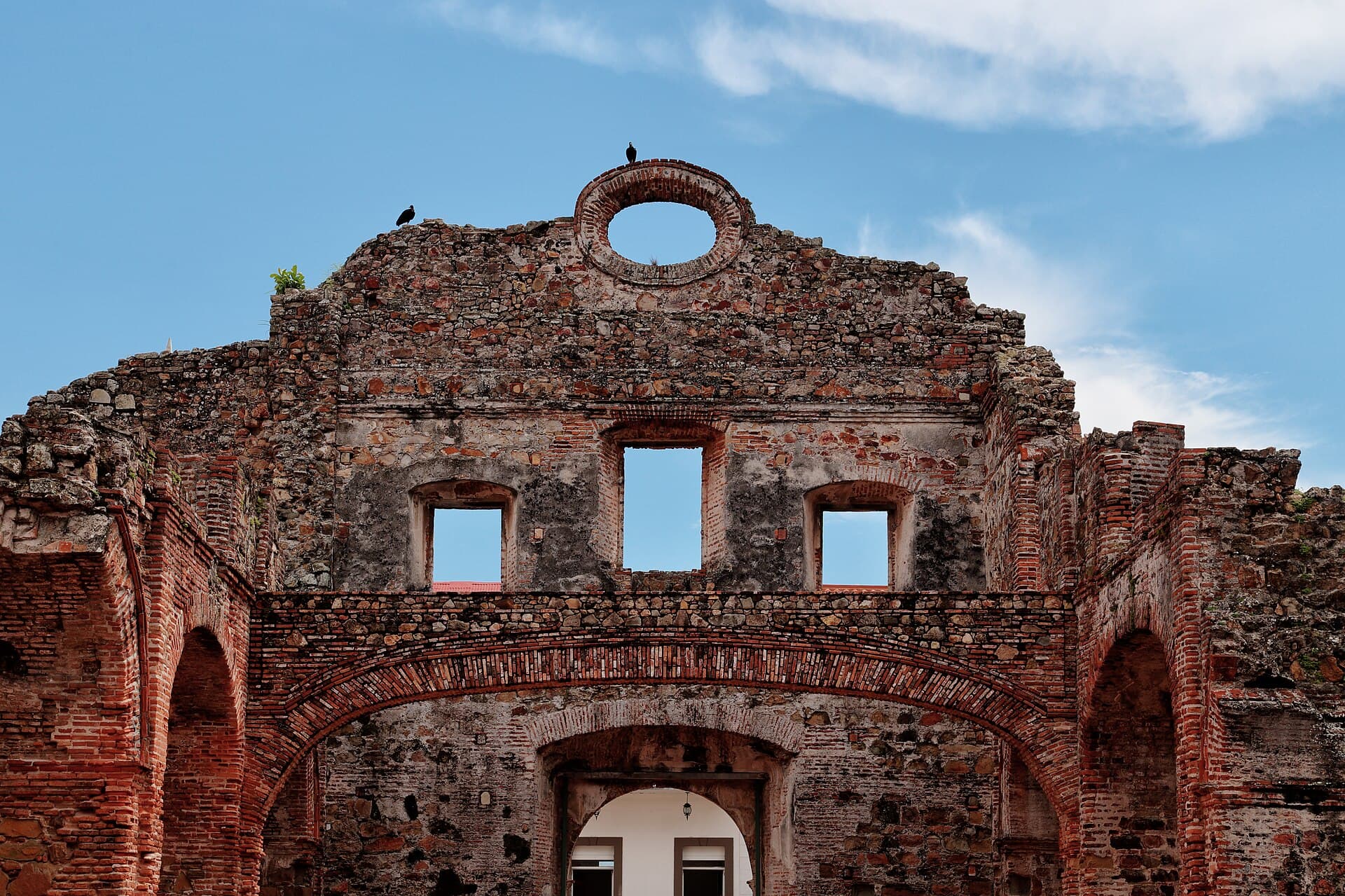
Casco Viejo is Panama City's second historic centre. The first, now known as Panamá Viejo, lies a few kilometres east. To understand why the old town sits on this small peninsula, you have to start with that first city, and with a pirate.
The first Panama City
Spanish colonists founded Panama City in 1519, the first European city on the Pacific coast of the Americas. For the next 150 years it was one of the richest places in the Spanish empire. Silver and gold from Peru were shipped up the Pacific coast to Panama, then carried across the isthmus to the Caribbean and on to Spain.
That wealth made it a target. In 1671 the Welsh privateer Henry Morgan crossed the isthmus, defeated the city's defenders and sacked it. The city burned, and the Spanish decided not to rebuild on the same spot.
A new city on a peninsula
In 1673 the new Panama City was founded on a rocky peninsula to the south-west, the site of today's Casco Viejo. The location was easier to defend: surrounded by the sea on three sides and protected by stone walls and bastions on the land side. Parts of those walls survive, including the stretch now topped by the Paseo Esteban Huertas.
Some things were carried over from the old city. The stone façade of the Church of La Merced was moved piece by piece, and according to legend the Golden Altar of San José was saved from Morgan's raid by being painted over.
Colonial centuries
Over the following decades the city's great churches and convents rose, including the Metropolitan Cathedral (built between 1688 and 1796) and the convent of Santo Domingo with its famous Arco Chato. Fires damaged the city several times, and the colonial trade routes declined over the 18th century.
Independence, the railroad and Bolívar
Panama broke away from Spain in 1821 and joined Gran Colombia. In 1826 Simón Bolívar convened the Congress of Panama here, in the building now known as the Palacio Bolívar, in an early attempt to unite the new nations of Latin America.
The California gold rush brought a new wave of travellers across the isthmus, and the Panama Railroad, completed in 1855, made the crossing far faster.
The canal years
In 1881 a French company led by Ferdinand de Lesseps, builder of the Suez Canal, began digging a canal across Panama. The project collapsed at the end of the decade after tens of thousands of deaths, mostly from yellow fever and malaria. Plaza de Francia honours those who died.
In 1903 Panama separated from Colombia with the support of the United States; independence was proclaimed in what is now Plaza de la Independencia. The US built the canal between 1904 and 1914. The Panama Canal Museum tells this story in detail.
Decline
As Panama City grew in the 20th century, wealthier residents moved to newer neighbourhoods. Many of Casco Viejo's grand houses were divided into rooms and fell into disrepair.
Rebirth and World Heritage
In 1997 UNESCO listed the historic district, together with the Salón Bolívar, as a World Heritage Site. In 2003 the listing was extended to include the ruins of Panamá Viejo. Since then large parts of Casco Viejo have been restored, and the neighbourhood has become the city's main destination for visitors, with hotels, restaurants and rooftop bars in its old buildings.
The transformation has not been without controversy. Restoration raised property values, and many long-time residents have moved out. Walking through the neighbourhood you'll still see the contrast between polished restored streets and buildings waiting for renovation.